Skip to content
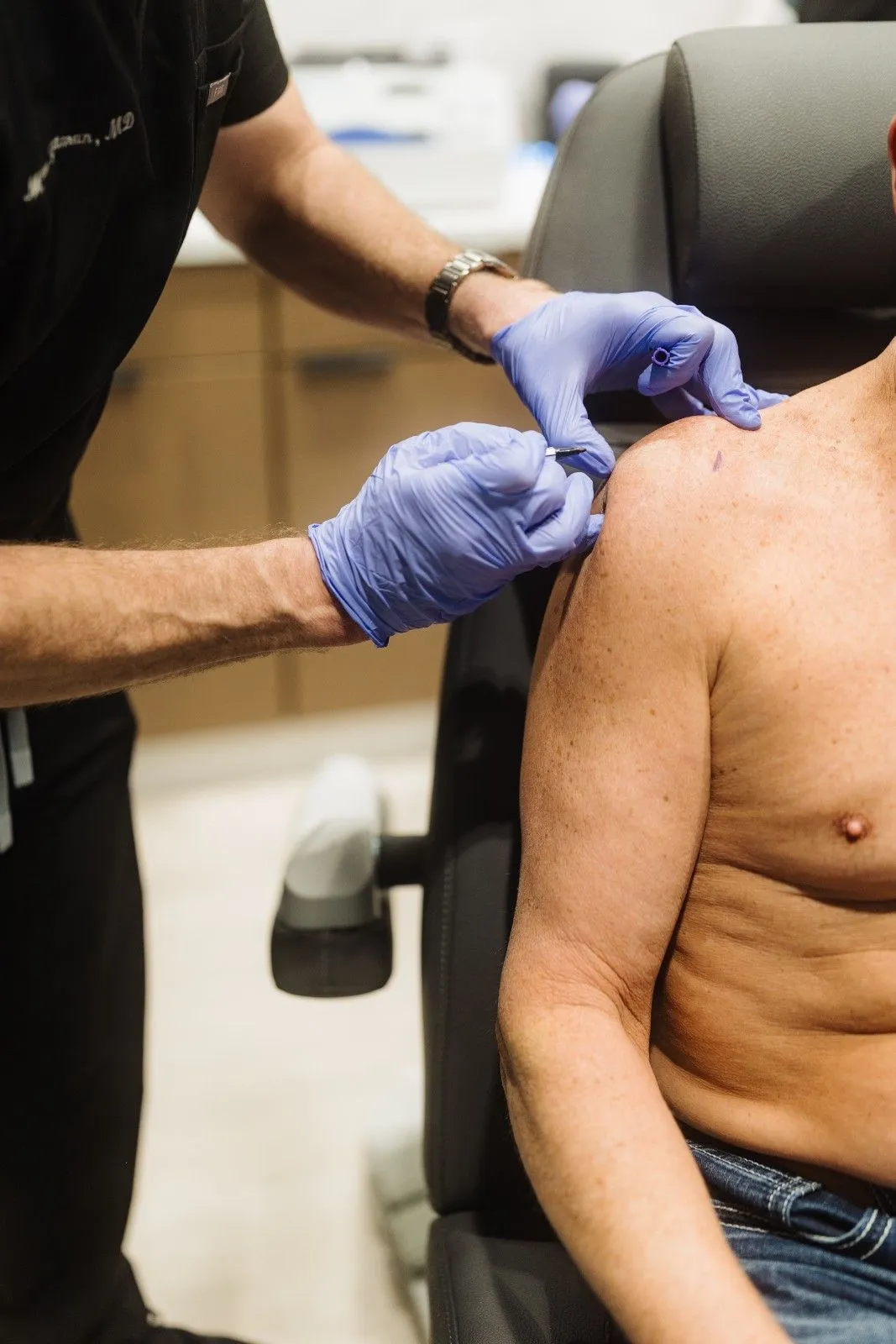
Table of Contents
Left unaddressed, joint pain can slowly take control of your daily life. It may limit your movement, comfort, and confidence without warning. If you are searching for a solution that goes beyond short-term relief, PRP joint therapy offers a regenerative approach designed to support real healing at the source of pain.
One of the first questions patients ask is how many sessions are needed to achieve meaningful results, and the answer depends on your joint condition, healing response, and treatment goals.
Why PRP Is Different From Traditional Joint Pain Treatments
Conventional joint pain treatments are famous for managing inflammation or reducing discomfort. While these approaches can be helpful, they do not actively support tissue repair.
Platelet-rich plasma for joints takes a different path. This technique uses components from the patient’s own blood to stimulate healing at the cellular level.
Platelets play a critical role in recovery. They can release growth factors that signal the body to perform the following actions:
- Repair damaged tissue
- Attract regenerative cells
- Improve blood flow to injured areas
When concentrated and reintroduced into a painful joint, PRP encourages the body to respond as if it is healing an injury rather than managing a chronic condition.
This biological response is the reason PRP therapy does not deliver instant results. Instead, improvement develops gradually as tissue repair progresses.
The Typical PRP Treatment Timeline for Joint Pain
Most patients undergoing PRP joint therapy may require between one and three treatment sessions. These are typically spaced several weeks apart. By doing so, it allows the joint time to respond to each PRP injection.
In some instances, a single session may be sufficient for mild joint irritation or early cartilage changes. A couple of sessions is often recommended to address moderate degeneration or persistent inflammation. More advanced joint conditions may benefit from a third treatment to maximize regenerative activity.
PRP providers monitor symptoms, mobility, and pain levels after each session before determining the necessity for additional injections. With this individualized approach, PRP for joint pain ensures that the treatment is not excessive or rushed.
How Joint Type Influences the Number of Sessions
Different joints experience stress in various ways. Weight-bearing joints tend to require more support. This is due to constant load and repetitive movement.
Knee Joint Pain
The knee absorbs impact as we walk, stand, or perform any type of physical activity. Patients seeking a PRP knee injection may require two or more sessions, especially if cartilage thinning or early osteoarthritis is present.
Shoulder Pain
The shoulder is complex and highly mobile. For rotator cuff irritation or overuse injuries, PRP shoulder pain treatment may involve two or more injections. It will still depend on the extent of tissue damage and instability.
Hip, Elbow, and Ankle Joints
Smaller joints or joints with localized injuries may respond quickly. In such instances, a carefully administered injection may be enough to trigger meaningful improvement.
PRP for Osteoarthritis and Chronic Joint Conditions
Chronic joint pain often stems from progressive cartilage breakdown rather than acute injury. PRP osteoarthritis therapy is commonly recommended as a series of treatments rather than a single injection. This is because degeneration may develop over time.
PRP does not regrow cartilage overnight. What it can do is reduce inflammation, support remaining cartilage, and improve joint lubrication. Patients with osteoarthritis often report gradual improvements in stiffness, swelling, and range of motion after several months.
If the patient has a chronic condition, two to three sessions will typically provide the most consistent outcomes. Along with maintenance, treatments may be recommended to be done annually.
Healing Response and Individual Factors That Matter
No two patients may heal at the same rate. There are several factors at play that influence how many PRP sessions may be needed.
Age plays a role in tissue regeneration. However, it does not eliminate well-known PRP benefits. Activity level also matters. Athletes or individuals with physically demanding routines may place significant stress on treated joints. In this situation, additional support may be necessary.
Overall health, circulation, lifestyle habits (nutrition and smoking status) can affect platelet quality and healing efficiency. These variables are commonly considered as providers develop a personalized treatment plan.
What Patients Typically Feel After Each Session
PRP injections trigger a biological response, not numbness. This means patients may expect mild soreness or pressure in the treated joints for a few days. The reaction is part of the healing process. It is not a side effect.
Improvement often begins within two to four weeks. Continued progress may happen after several months. Mobility usually improves before pain fully resolves, which signals that joint function is being restored.
The full impact of PRP injection benefits is best evaluated after the body has had adequate time to respond to each session.
Maintenance Treatments and Long-Term Joint Support
Some patients choose to receive maintenance PRP treatments after completing their initial series. These follow-up sessions help sustain improvements and support joint health over time.
Now, maintenance schedules could vary, but often occur every six to twelve months. This timeline may apply to patients with chronic conditions. Not every patient needs ongoing treatments. However, for those managing long-standing joint issues, maintenance may extend the benefits of regenerative therapy.
Joint Pain Regeneration Without Surgery
Many of our patients seek PRP because they are avoiding surgery or long-term medication use. This is a correct action since a joint pain regenerative treatment offers a minimally invasive technique. Plus, it works with the body and not against it.
It is necessary to clarify that PRP does not replace surgery when structural repair is deemed necessary. Yet, it can delay or even reduce the need for invasive procedures in appropriate cases. This quality makes the treatment appealing for patients looking to maintain an active lifestyle while preserving joint health.
PRP Joint Therapy at Evolve Aesthetics and Regenerative Medicine in Waterloo, IA
Evolve Aesthetics and Regenerative Medicine proudly offers PRP joint therapy in Waterloo, IA, as part of our commitment to advanced regenerative care. PRP stands for platelet-rich plasma. The latter is derived from the patient’s own blood and contains a high concentration of platelets.
These platelets are known to contain large quantities of growth factors that attract stem cells and stimulate the healing of damaged tissues. PRP joint therapy is a modern development in the treatment of musculoskeletal pain and injuries. The procedure is performed in office and involves injecting the patient’s PRP directly into the area of pain or injury.
Book your PRP joint therapy consultation today.
Frequently Asked Questions
How many PRP sessions are typically needed for joint pain?
Most patients see meaningful improvement after one to three PRP sessions, depending on the severity of joint damage and how their body responds to treatment.
How long does it take to feel results after PRP joint therapy?
Improvements usually begin within two to six weeks as the healing process progresses, with continued gains over several months.
Is PRP joint therapy painful?
The injection process is generally well tolerated, with mild soreness or pressure at the treatment site that typically resolves within a few days.
Can PRP help with osteoarthritis-related joint pain?
PRP osteoarthritis therapy may help reduce inflammation and improve joint function by supporting the body’s natural repair mechanisms.
How long do the benefits of PRP joint therapy last?
Results can last six months to a year or longer, depending on activity level, joint condition, and whether maintenance treatments are pursued.